FOR THEATER & MUSICALS
On opening night, there are no second takes.
Pit, cast, conductor, and crew: dozens of people, hundreds of cues, one shot to land it. Stranto puts the whole production on a single clock.
Get early access →We know opening night.
Hundreds of cues, zero margin.
A late entrance, a missed light, a vamp that runs one bar long. The audience feels every one. The count has to be sacred.
Pit and stage live in different worlds.
The conductor hears one thing, the deck reads another, the booth a third. Keeping them aligned is a full-time job.
Every revision re-marks everyone’s score.
The director cuts eight bars at tech and now forty scores, plots, and cue sheets are wrong.
What changes with Stranto
Score the show at the speed of tech
Speed Entry
Mark cuts, vamps, and holds the instant the director calls them. Keyboard-fast, no fighting a mouse at 11pm.
Pit, deck, and booth on one count
Universal Sync
Musicians, lighting, and stage all ride the same master clock. When the conductor stretches a vamp, every department knows.
Your score and plot, made live
Interactive Assets
Bring the conductor’s score and the cue sheets you already have. Stranto makes them move together.
How it works from tech to closing
Score the show
The music director or stage manager hosts. Bring in the conductor’s score and the cue sheets you already have, then mark cuts, vamps, and holds as fast as the director calls them.
Bring in every department
Pit, cast, deck, and booth each join on their own phone, tablet, or laptop. Guests play free, so the whole company follows without a plan of their own.
Run the show on one count
The master clock carries the performance. When a vamp runs long, every part, cue, and standby waits with it, and the downbeat lands for everyone at once.
Act II, standing by in the wings
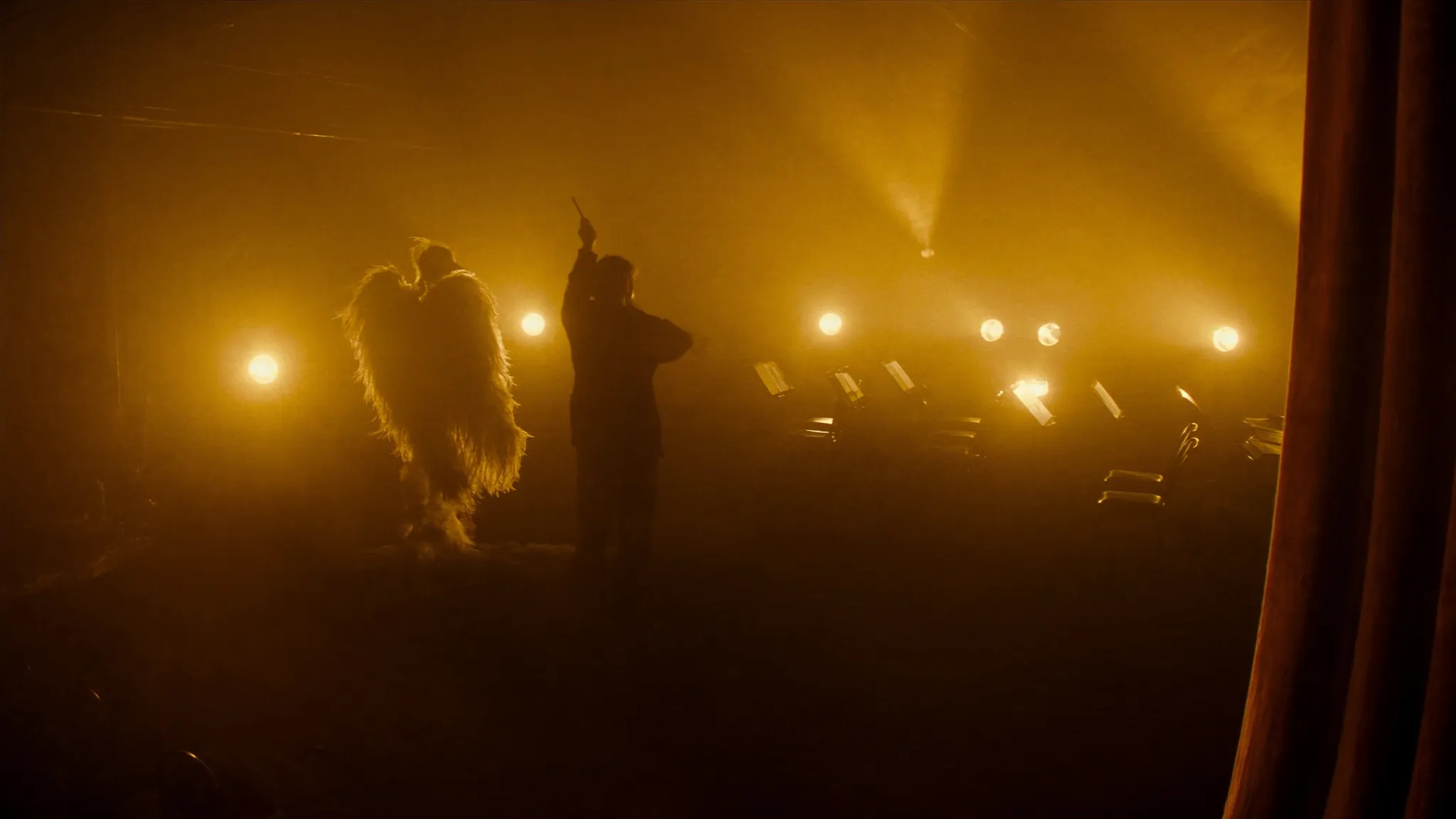
You’re in the wings with eight bars to go. The pit stretches the vamp to cover the scene change. On any other night you’d be counting by ear through a monitor wash, guessing at your entrance. Instead you’re watching the same clock as the conductor. The vamp runs long; your cue waits with it. The downbeat comes, and you step into the light exactly on it.
You stop counting bars under your breath and stay in character. The music meets you there, eight shows a week.
Questions theater companies ask
- Can the pit, cast, and crew each see their own part?
- Yes. Everyone follows the same timeline, and each person sees what they need on it: players their part, singers their lyrics, crew their cues. They advance together because they all ride one master clock.
- How do we handle cuts made at tech?
- Mark the cut once, as the director calls it, with keyboard-fast Speed Entry. Everyone working from the show sees the change, so nobody is re-marking forty scores, plots, and cue sheets at midnight.
- Does every cast member need a paid plan?
- No. Only the host carries a plan, and everyone the host invites plays free. Large casts and multi-department productions are what the organization plans are for.
- Does it hold up for the run, not just rehearsal?
- That’s the point. Stranto is built for the stage: the master clock, shared cues, and live sync are designed to hold up with the house full, eight shows a week.